
A Few Words
Who We Are
Welcome
A Few Words About Us
Kitar Genesys Sdn Bhd (KGSB) is a Malaysian environmental engineering company established in 2023, specialising in advanced waste management solutions. The company’s directors bring a combined total of 55 years of experience in waste management and 35 years in facility and plant construction.
KGSB has strong expertise in landfill management, as well as in the design, construction, and operation of material recovery facilities (MRFs). Its directors and field teams have collectively managed more than 20 landfills, MRFs, and incinerator operations across Malaysia and internationally. In addition, the directors possess extensive experience in the operation and maintenance of hazardous waste incinerators in Malaysia and Nigeria, crude oil tank cleaning system design, as well as drilling sludge and waste oil recovery solutions.


Vision And Mission
the reason an organization exists and what it aims to achieve.
KGSB is committed to pioneering advanced waste management solutions and landfill reclamation, supporting Malaysia’s transition towards a sustainable circular economy. In the context of Malaysia’s growing waste challenges, including increasing landfill dependency, limited recycling rates, and the need for more efficient resource recovery, KGSB focuses on delivering integrated waste management solutions that reduce landfill burden and maximized material recovery.
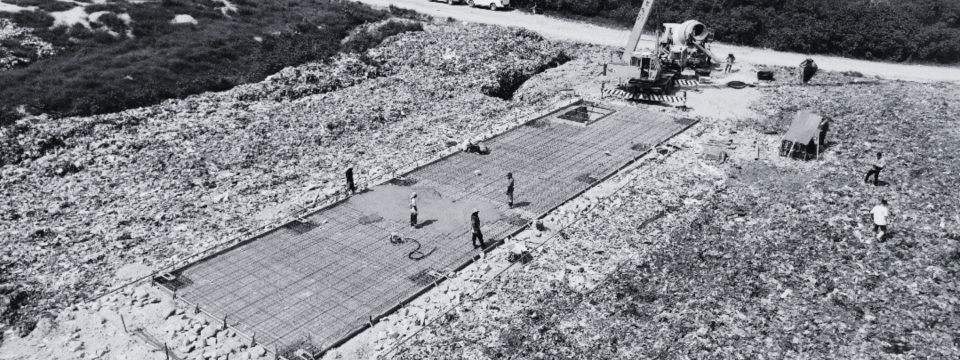
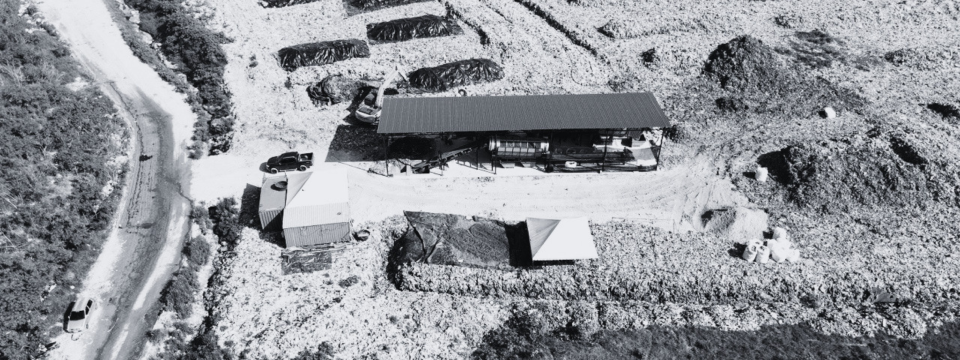
The company emphasises landfill mining, material recovery facilities (MRFs), and waste-to-energy solutions to recover valuable resources such as recyclables, organics, and fuel feedstock from existing waste streams. Through these approaches, KGSB aims to minimise environmental impact, extend landfill lifespan, and contribute to national sustainability goals by transforming waste into usable resources and energy.
Current Issue
the Growing Plastic Waste Burden in Malaysia
Malaysia currently generates more than 39,000 tonnes of municipal solid waste every day, with the majority ultimately disposed of in landfills. Despite improvements in recycling efforts, a significant proportion of recoverable materials continues to be buried, causing landfill cells to reach capacity much faster than originally planned. Many existing landfill sites are approaching the end of their operational lifespan, forcing local authorities and state governments to invest substantial capital in new landfill cells, landfill expansion, or entirely new disposal facilities.
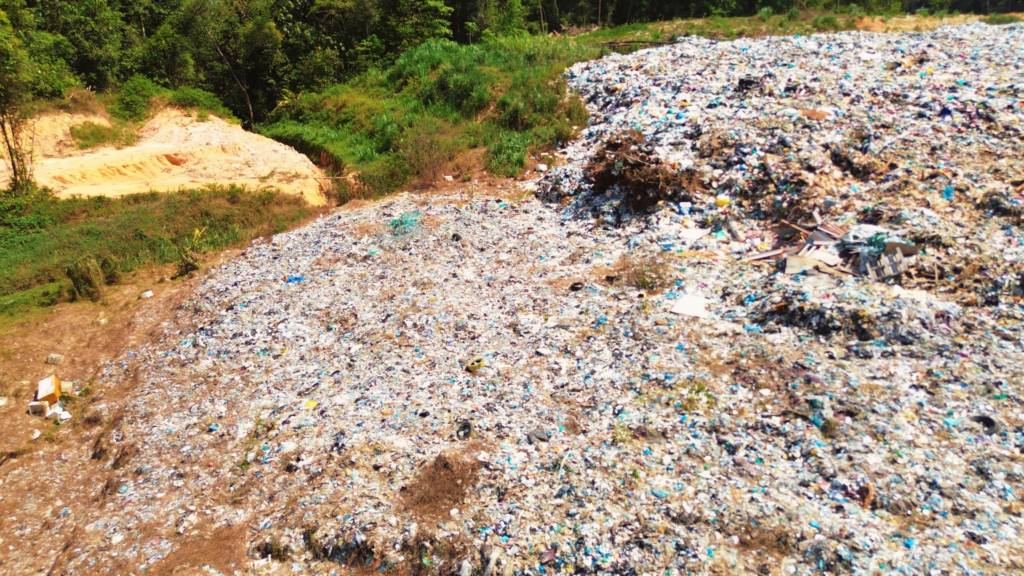
The problem is further aggravated by plastic waste. Malaysia discards more than a million tonnes of plastic waste annually, while recycling rates remain insufficient to recover all recyclable plastics generated. A large volume of plastic waste continues to be disposed of in landfills, where it occupies valuable landfill airspace for decades due to its extremely slow degradation rate.
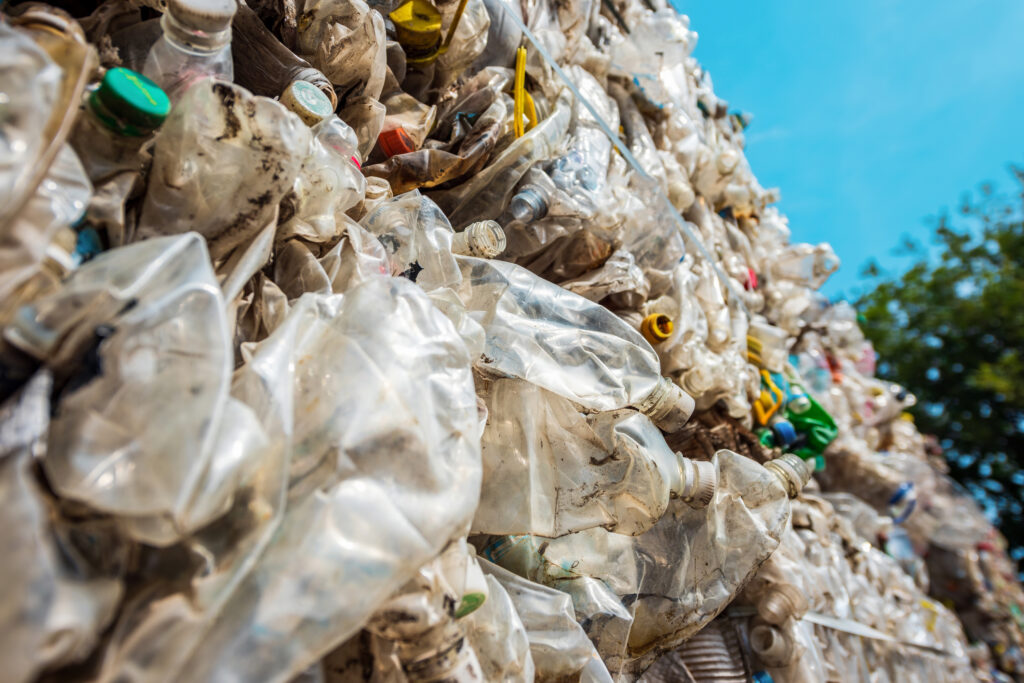
Unlike organic waste, which gradually decomposes and reduces in volume over time, plastic waste remains largely intact within the landfill body. Plastic film, plastic packaging, bags, wrappers, and other low value plastics accumulate year after year, permanently consuming landfill capacity and accelerating the need for costly landfill expansion projects. Furthermore, contaminated and mixed plastics are often difficult to recycle economically, resulting in their disposal despite still possessing potential energy and resource value.
As landfill capacity decreases, government expenditure continues to increase through the construction of new landfill cells, leachate treatment facilities, landfill gas management systems, environmental monitoring programmes, and long-term post closure obligations. At the same time, valuable plastic resources that could otherwise be converted into recycled products or alternative fuels remain buried underground. Therefore, the recovery and diversion of plastic waste from landfills has become a critical component in extending landfill lifespan, reducing future government expenditure on waste disposal infrastructure, lowering environmental liabilities, and supporting Malaysia’s transition towards a circular economy. Landfill mining and plastic recovery initiatives offer a practical solution by recovering legacy plastics already buried within landfills while simultaneously reducing future dependence on new landfill development.
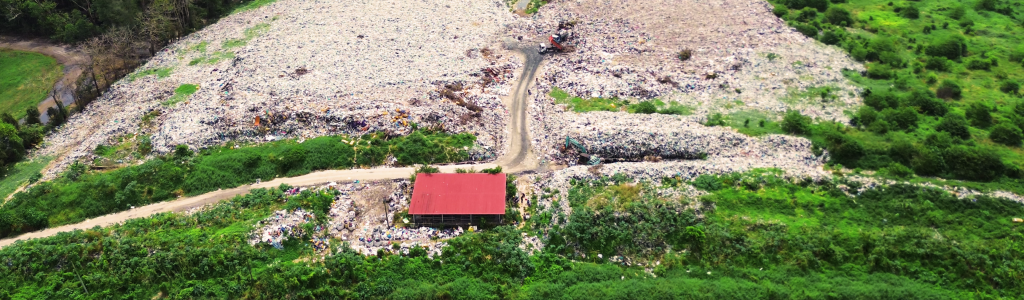
“Plastic waste is no longer merely a waste management issue. It has become a landfill capacity issue, a government expenditure issue, and a long-term environmental liability issue. Every tonne of plastic recovered from landfill represents additional landfill lifespan, reduced future disposal costs, and the conversion of a previously discarded material into a valuable resource”
-KitarGenesys-
Let's We
focuses on organizational management.
Kitar Genesys Sdn Bhd is a 100% Bumiputera-owned company, led by two highly experienced professionals with strong expertise in waste management and construction management.
With extensive experience both locally and internationally, the leadership team brings a combination of technical knowledge, project execution capability, and industry insight to deliver integrated and sustainable waste management solutions.